-
Dr.Head - всё можно послушать
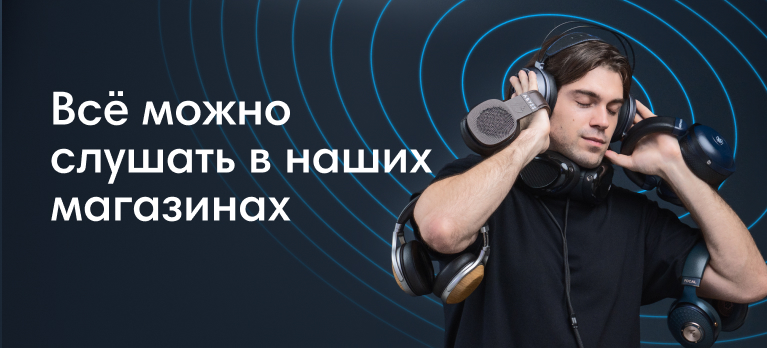
Наушники и Personal аудио
Более 15 лет мы занимаемся персональным аудио, и сегодня в наших магазинах представлен огромный выбор наушников на любой звук и кошелёк. И абсолютно все эти наушники можно послушать и протестировать перед покупкой!
Все товары категории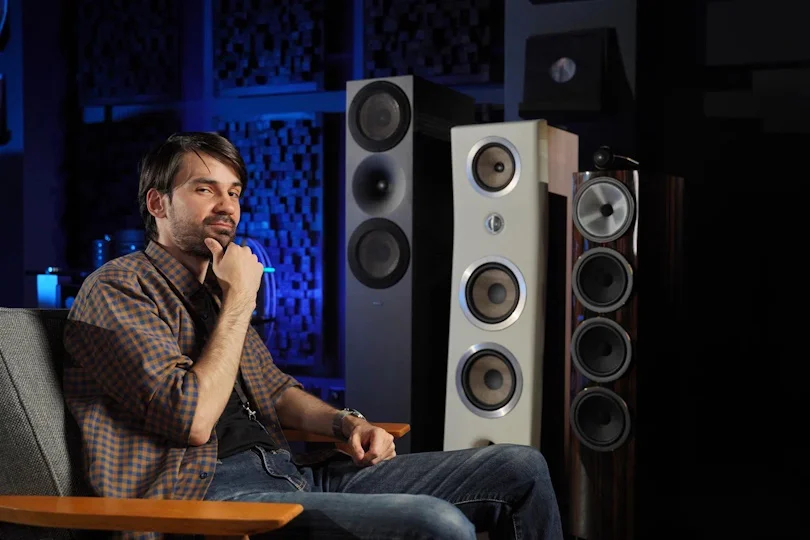
Акустика и Hi-Fi аудио
Мы не просто создали уютные и стильные комнаты, но ещё и правильно оформили их акустически, чтобы ваш опыт прослушивания был незабываемым. Вы можете протестировать любой понравившийся комплект аппаратуры и подобрать подходящие сочетания. Присаживайтесь поудобнее — вас ждёт увлекательное путешествие в мир высококлассного звука.
Все товары категории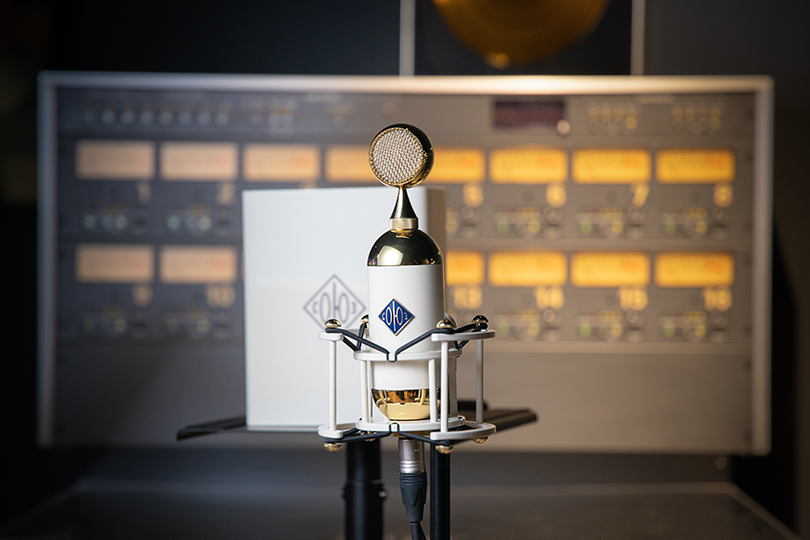
Микрофоны и PRO аудио
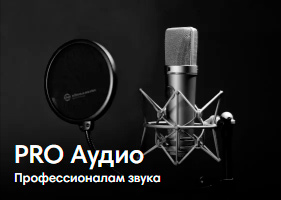
В магазинах Dr.Head представлены любые решения для PRO: микрофоны (в том числе эксклюзивные), мониторные наушники, аудиоинтерфейсы, MIDI-клавиатуры и многое другое. Всё это можно протестировать перед покупкой! А во флагманском магазине в Москве мы построили собственную студию звукозаписи, где вы можете не только проверять оборудование, но и записывать треки любой сложности.
Все товары категории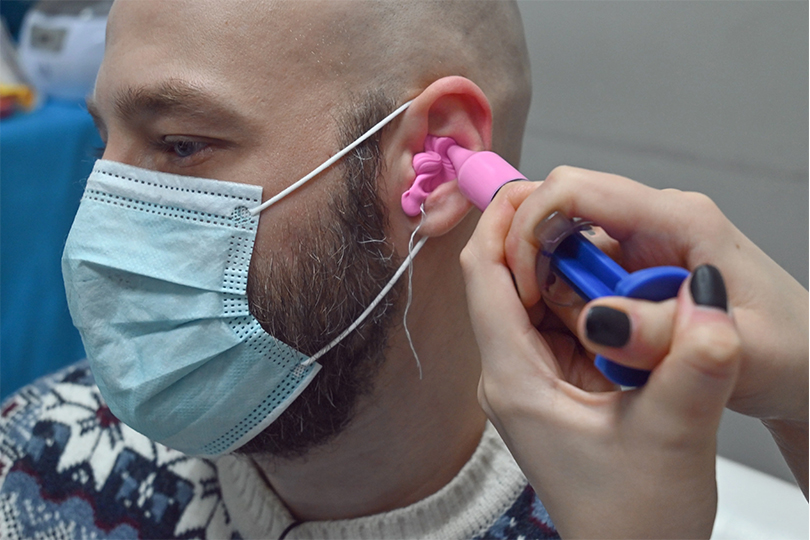
Custom shop
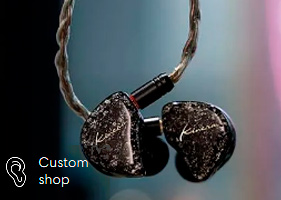
Это уникальный проект по изготовлению индивидуальных наушников и берушей по слепку уха. Мы работаем практически со всей отечественной поп- и рок-сценой, нам доверяют артисты и блогеры со всей страны. В нашей лаборатории каждый может заказать индивидуальные наушники, насадки или беруши, а также сделать индивидуальный дизайн своей техники.
Все товары категории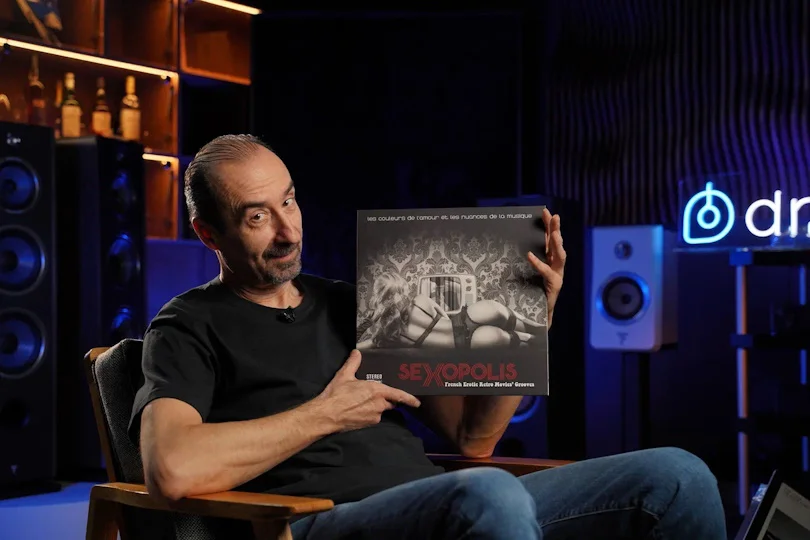
Винил
В Dr.Head представлены не только популярные и всеми любимые пластинки, но и эксклюзивные и редкие релизы на виниле. У нас можно погрузиться в мир аналогового звука и получить крутейшие рекомендации по новинкам музыки или проверенным хитам от наших экспертов.
Все товары категорииДля вашего удобства мы открыли запись на прослушивание. Подключение аудио — достаточно длительный процесс. Мы ценим ваше время и, чтобы не тратить его на ожидание, предлагаем вам записаться на прослушивание заранее на этой странице.
-
Сообщения
-

sanesha 202
2 часа назад, Здоровый пофигист сказал:Давайте напрямоту. Квакать из тины все горазды.
Россия - это прежде всего люди!
Во время Специальной Военной Операции, когда парни там сражаются и гибнут, говорить, что, мол, военному наср@ло в голову телевидение, партия и правительство, это верх кощунства, и как лакмусовая бумажка отношения человека к ситуации, к людям, к стране.
Я провёл на СВО больше года в совокупности, такое терпеть не намерен.
Хоть баньте теперь, что не по теме. Хоть что.
Если прежде всего люди. Так получилось, что у меня много друзей-медиков.
Для справки: они спасают людей, а не убивают. Каждый день. Стаж разный у всех, от 10 до 30 примерно.
Один вот час назад звонил, с НГ поздравлял. На скорой работает.
Ни от кого из них я пафосных рассуждений не слышал. Делают свою работу и все.
-

snorry 3 480
2 минуты назад, Rastaman сказал:Я бы подумал что это пожарный рукав
Ко мне уже тоже поступило предложение экспериментальный кабель спрятать в "рукав". Вообще не представляю, как это сделать и эстетично и хорошо по совокупности диэлекткриков.
По сабжу на картинке - я такой кабель, к сожалению, не слушал.
Но если там никаких изоляторов, кроме ткани не применено - одобряю условно.
Только при условии использовании в помещении со стабильной влажностью и в условиях "воткнули и больше не трогаем".
В "наушниковом" кабеле, который контактирует с потеющим человеческим телом, собирает постоянно в себя пот и грязь с рук - такое делать не стоит...
-
 1
1
-
-
Rastaman 1 484
37 минут назад, Ревень сказал:Культовый кабель !

Я бы подумал что это пожарный рукав
 .
.
-

iBUTCHER 558
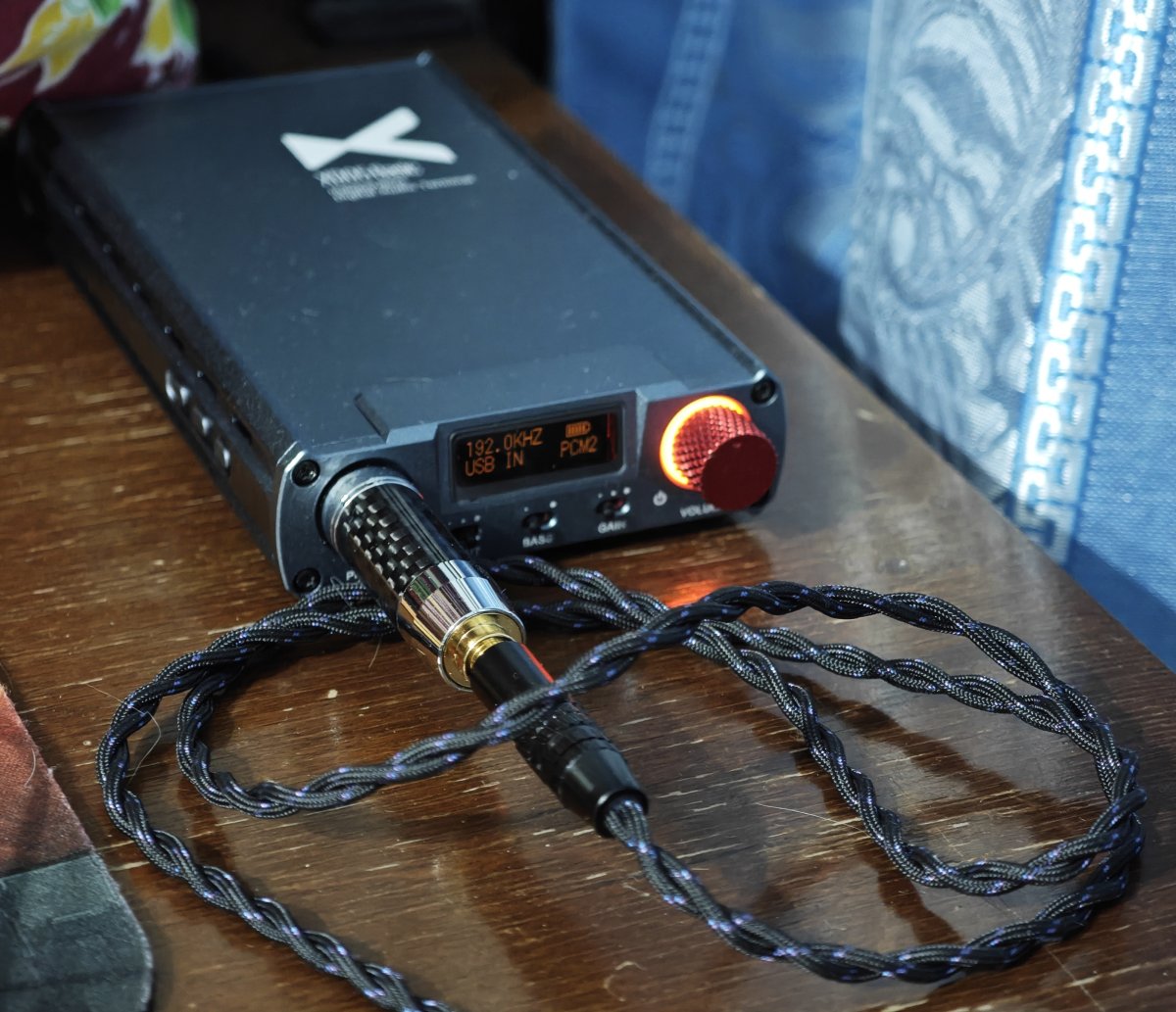
Вот на портативном усилке такой переходник.
С Fosi GR70 буду такой же использовать. Так как большинство моих наушников с коннектором jack 4.4mm.
Изменено пользователем iBUTCHER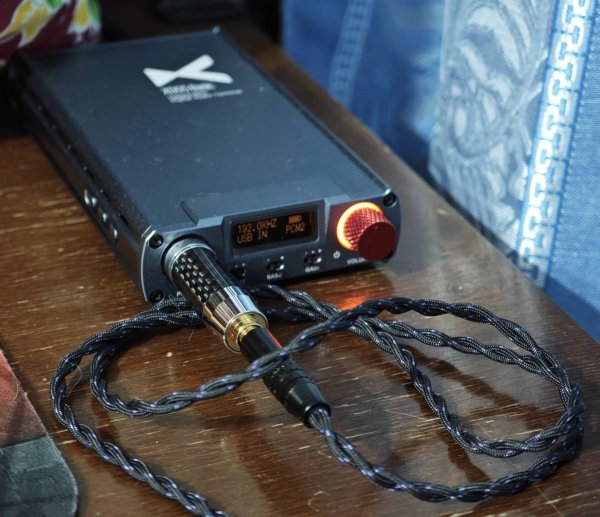
-
snorry 3 480
5 часов назад, Здоровый пофигист сказал:Надеюсь, не специально.
А то, после таких вот "перепутываний" и рождаются мифы про "звучащие" провода).
Делалось сразу 3 комплекта для отправки.
В процессе пайки и при отслушивании несколько раз отвлекали. И очевидно, один из кабелей просто не попал в проверку перед отправкой.
Когда кабели едут в комплекте с наушниками на продажу, всегда ещё и сам комплект в финале измеряется по АЧХ/фазе и проч на предмет одинаковости каналов.
Тут измерений не было, к сожалению. Так что получилось, как получилось ((((
По факту из описания проблема с фазой была диагностирована сразу, причем на кабеле SC-2 (косичке). Все экспериментальные кабели и остальные "косички" - без проблем.
-
1
-
-
- 0 ответов
- 2 813 просмотра
- Добавить ответ
- 6 ответов
- 3 040 просмотров
- Добавить ответ
- 7 ответов
- 4 281 просмотр
- Добавить ответ
- 9 ответов
- 7 024 просмотра
- Добавить ответ
- 58 ответов
- 17 331 просмотр
- Добавить ответ
- 1 ответ
- 3 650 просмотров
- Добавить ответ
- 0 ответов
- 2 554 просмотра
- Добавить ответ
- 4 ответа
- 2 525 просмотров
- Добавить ответ
- 162 ответа
- 21 610 просмотров
- Добавить ответ
- 8 ответов
- 4 294 просмотра
- Добавить ответ
Помощь в выборе наушников до 4к

Здравствуйте, уважаемые форумчане.
Нужны затычки для Sony NWZ A15, до 4к.
Были сенхи CX 175, сейчас CX 3.00 (как по мне, CX 3.00 просто трагедия).
Планирую использовать на улице и в транспорте.
Жанры: рок, альтернатива, временами классика и клубная музыка.
Живу в чудесном городе, где, нет возможности, послушать наушники в магазине.
амбюшуры ath es10

добрый день! прошу совета в покупке амбюшур для наушников, в магазине доктор хед сказали штатных в продаже не бывает (да как так то??), разве что можно приехать и попробовать подобрать. может, знает кто, где можно купить? спасибо
beyerdynamic dt 770 pro 250 ohm + Xonar D1. Нужно ли что-то ещё?
Ребята, добрый день. Помогите советом. Есть beyerdynamic dt 770 pro 250 ohm, подключены прямо к Xonar D1.
Я люблю слушать flac, разные жанры. Иногда смотрю кино в наушниках, часто играю.
Вопрос в следующем: стоит ли мне покупать усилитель/ЦАП и что мне это даст? Или оставить всё как есть и не париться?
The Sonoma Model One Headphone System


The Sonoma Model One Headphone System
The revolutionary Sonoma M1 Headphone System has been optimized for today’s High Resolution Audio formats. Every aspect of the system has been chosen to deliver unparalleled levels of performance and sound quality.
The Headphone

HPEL Transducer
The ideal loudspeaker transducer would have zero mass, respond infinitely quickly to any signal, be perfectly damped, have no distortion and be perfectly linear. Until now, the technology that best exemplifies those characteristics is electrostatic. Introduced almost 60 years ago, electrostatic headphones have remained the choice of discerning listeners who demand the highest audio quality. Now, a revolutionary new electrostatic transducer, derived from the world of ultrasonics, has been developed in the UK by Warwick Audio Technologies Ltd. (WAT). The patented High-Precision Electrostatic Laminate (HPEL) audio transducer ushers in a new paradigm in the field of electrostatic drivers, and the Sonoma M1 is the first headphone system in the world to use it.
A conventional electrostatic transducer consists of a thin membrane (coated with a conductive material) between two electrically conducting metal grids. There is a small gap between the membrane and grids. The membrane is kept at a high DC potential relative to the grids, and the audio signal is applied across the grids. This results in the membrane moving in response to the audio signal thus creating sound. Clearly, in order for the sound to propagate through the grid/membrane ‘sandwich’, the grids have to be perforated in some way.
In contrast, the HPEL uses a thin (15 μm – less than the thickness of a human hair), flexible laminated film for the ‘front’ grid. The laminate is affixed to the open (cell) structure of an insulating spacer (made of Formex™), and the film is very accurately machine-tensioned in the x y plane. In this way, small ‘drum-skins’ are created by the cells. A stainless steel mesh forms the ‘back’ grid. When the audio signal is superimposed on a 1350 V DC bias voltage, the ‘drum-skins’ formed by the flexible ‘front’ grid vibrate, producing sound. Unlike a traditional electrostatic panel, the sound you hear from a HPEL does not pass through a grid! To take full advantage of this feature, everything has been done in the design of the M1 to keep the areas in front of and behind the transducer as clear as possible so as not to impede the sound waves.
Thanks to a proprietary Finite-Element Analysis software package, WAT is able to fine tune the characteristics of the ‘drum-skins’ such that they have different resonant frequencies. Each cell is acoustically independent, but driven in parallel. As a result, the sound from each cell combines in acoustic space, but the independent resonances average out, avoiding any large resonant peak in the audio band (as can happen with a single driver area).
The thin, light laminate material ensures an extended frequency response, with the panel remaining linear to over 60 kHz. The HPEL has unmatched transient performance, and its surface area has been maximized to deliver a full frequency response. Additionally, due to the fact that it is produced with modern automated manufacturing techniques, the HPEL delivers unprecedented consistency and matching between transducers (< ±0.8 dB difference between left and right channels). The simplicity of its design also enables exceptional durability and reliability.
Naturally, such a light, thin transducer is susceptible to bending, etc., so the panel is encased in a special, super-rigid, high glass-fill polycarbonate ‘cassette’ which allows the transducer to perform optimally.

Injected Magnesium Ear-cups
Compared to Aluminum, Magnesium is about ⅓ lighter and has superior acoustical damping. Combining excellent strength-to-weight ratio, high stiffness and outstanding EMI/RFI shielding, Magnesium is the ideal material in which to house the HPEL transducer to ensure optimum performance. The ear-cups of the M1 are formed by precision injection molding at very high pressure. The result is a weight of 10.7 ounces (303 grams) which contributes to outstanding headphone comfort. Only high-grade stainless steel screws and fasteners are used in the the headphones for high strength and resistance to corrosion.

Handmade ‘Cabretta’ Leather Ear & Headband Pads
Comfort in a headphone is of paramount importance. We want you to enjoy the M1 for extended listening sessions. Producing an excellent sounding, lightweight design would all be for naught if the ear and headband pads induced any discomfort. So, to ensure maximum listening pleasure, the pads on the M1 are all handmade from top-grain Cabretta sheep-skin leather. Cabretta leather is renowned for its light weight, smoothness, suppleness, and durability.
The leather used in the M1 is sourced from Ethiopia. The hides are then tanned by Pittards in the UK, who have been tanning leathers since 1826. Finally, the pads are hand sewn in Germany.
Nylon 12 Headband
It is crucial that a headband combine sufficient flexibility – to adjust to different head sizes – with sturdiness and a resistance to cracking under stress: just think how many times a headphone gets put on and removed from a head over its lifetime. To meet these criteria, we have opted for a headband made from Nylon 12 (aka Polyamide 12). This allows the headband to flex as required, while remaining strong over prolonged use. In addition, Nylon 12 acts to dampen noise and vibration.
Internally, the headband contains stainless steel parts which have a vapor-deposited titanium coating to ensure strength and smooth operation.

Custom Low-Capacitance Cable
An electrostatic headphone does not present a normal load to any partnering amplifier. As a result, it is impossible to use just any cable to connect amplifier to headphone. Therefore, in collaboration with Straight Wire Inc., a totally new, ground-up design was done for the M1. The goal was to meet the following criteria:
1. capacitance had to be minimized;
2. mechanical noise pick up had to be minimized;
3. signal purity had to be maximized;
4. the cable had to be thin, flexible and light weight.
Getting some of these criteria in a cable was not a problem. Getting them all was more challenging, as obtaining gains in one area could come at the expense of something else, usually the thin, flexible and light-weight aspect.
The cable is composed of very fine strands of silver-plated oxygen-free high conductivity (OFHC) ultra-pure copper. The insulation is a foamed polyethylene chosen because it has a suitably high dielectric constant, and is well damped. There is no shared ground between the left and right channel signal cables, and a fiber filler material in the jacket keeps the conductors as far apart as possible (to reduce capacitance and crosstalk) as well as helping to dampen any cable microphonics. To ensure excellent strength, two Kevlar® fibers are woven into the cable.
The resulting cable capacitance is a low 50 pF/m. At the amplifier end, the jack is electrically isolated from the amplifier chassis, while on the headphones high-precision self-latching connectors are used to ensure a secure connection. A sense loop built into the cable runs to each ear cup, and if the cable is disconnected at either the amplifier or headphone ends then the amplifier automatically shuts itself down.
DAC & Energizer

Discrete Single-Ended Class-A Amplifier
Regardless of the type of gain device, in systems where the utmost in natural reproduction is the goal, simple single-ended Class-A circuits are the
topologies of choice.
Nelson Pass
Like all electrostatic transducers, the HPEL requires a high-voltage drive amplifier in order to function. In the case of the M1, the drive comes from a high-performance, single-ended, discrete FET Class A amplifier with very low distortion and wide bandwidth which is optimally matched to the HPEL. The amplifier was designed and optimized to drive the inherent capacitive load of an electrostatic transducer, and the Class A output stage is operated at a high bias level, and delivers a very high slew-rate. Operating at such high bias levels results in improved linearity.
The drive signal has a maximum amplitude of 145 V (rms), which is superimposed on the 1350 V DC bias. Despite operating at low current levels, the high voltages in use translate to significant power (for a headphone amplifier) at the output of the amplifier. Consequently, high quality devices are used throughout which are designed to cope with the power levels.
FETs are often said to combine the sonic characteristics of tubes with the reliability of solid-state. In the M1, FETs from International Rectifier intended for linear amplifier applications have been selected. The attention to detail continues with passive components. High-quality metal film capacitors are used in the signal path and all the linear IC’s used are select models from Analog Devices or Texas Instruments (TI).
To ensure isolation from all interference sources, the amplifier is encased in a completely shielded, machined aluminum enclosure (see below).
The amplifier provides the following inputs:
1. USB 2.0 (digital)
2. co-axial S/PDIF (digital)
3. ‘high-level’ RCA (x2) jacks (analog)
4. ‘low-level’ 3.5 mm stereo jack (analog)
The USB 2.0 input accepts all Hi-Res Audio formats up to 32 bit/384 kHz PCM and DSD via DoP (DSD64/DSD128), while the S/PDIF input accepts all PCM formats up to 24 bit/192 kHz. The high-level RCA inputs operate with a maximum input signal of 2.1 V (rms), while the low-level 3.5 mm jack accepts a maximum signal of 850 mV (rms).
ESS SABRE Reference DAC
The Sonoma M1 system was developed to deliver true high-resolution performance. For the critical digital-to-analog conversion stage, we turned to an established leader in the field. ESS Technology is universally recognized as the world’s premium DAC chip manufacturer, and we have opted for their 32 bit Reference DAC. Two stereo DAC chips are used in a special mono mode to deliver a measured 129 dB signal-to-noise ratio (SNR).

Custom 64-bit Fixed-Point Digital Signal Processing
Frequency response is the single most important aspect of the performance of any audio device. If it is wrong, nothing else matters.
Floyd Toole
Anyone who is familiar with loudspeaker or amplifier measurements will undoubtedly have seen plots of flat frequency response from a few tens of Hz all the way up to 20+ kHz. A flat frequency response is the ultimate goal for those components, and is quite easily achieved in an amplifier, but more difficult to achieve in a loudspeaker, especially in a real-world listening room (as opposed to an anechoic chamber).
Unfortunately, the situation with headphones is a lot more complicated. The way in which a sound field interacts with our ears gives rise to a non-flat frequency response known as a Head-Related Transfer Function (HRTF). Worse, the HRTF changes depending on the direction from which the sound arrives.
Further complicating matters, there is no universal agreement on what a headphone target frequency response should be. Historically, there were two options: free field or diffuse field. Free field is akin to listening to a pair of loudspeakers in an anechoic chamber, something very few listeners do. In contrast, diffuse field is akin to listening to a pair of loudspeakers in a highly reflective (reverberant) room. While this may be a bit closer to most listening conditions, it is still less than ideal.
Studies have found that listeners actually prefer something different, and more like listening to a pair of ‘flat’ loudspeakers in a good listening room. This is the approach we have taken with the M1, and the target frequency response is termed a ‘modified, pseudo-diffuse field response’.
Helping us to achieve the desired response at the output of the headphone, we digitally process all signals using custom 64 bit double-precision fixed-point arithmetic, running within a high performance, multi-core XMOS processor. It is well-known in the field of audio processing that fixed-point arithmetic is best, and the 64 bit arithmetic used in the Sonoma M1 exceeds the performance of most professional audio workstations.
All the filter responses within the DSP are minimum-phase, slow roll-off and are optimized for excellent time-domain response.
Taking further advantage of the incredible accuracy of the 64 bit DSP, we were able to implement within the amplifier a fully-digital interpolated volume control which dramatically outperforms all the pure-analog, stepped attenuators we evaluated. The benefits include:
1. no loss in fidelity and no loss in dynamic range
2. perfect left/right channel matching
3. no potentiometer/attenuator non-linearities at the end of range
4. no noise issues like ‘zipper’ noise, clicks/pops, etc.
In short: it sounded better!
AKM 32‑bit/384 kHz Premium ADC
Due to the need for DSP to achieve the target frequency response, all incoming analog signals must first be converted to digital. This is undertaken in a multi-channel 32‑bit/384 kHz AKM Premium ADC chip. As the amplifier has both low-level (3.5 mm) and high-level (RCA) inputs, separate ADC channels are used depending on the input selected. That is, there are two independent, fully-optimized signal paths, one each for the low- and high-level inputs. In this way, the full dynamic range capability of the ADC is achieved regardless of the input selected. The measured SNR of the ADC stages exceeds 120 dB.

Crystek Ultra-Low Phase-Noise Oscillator
The ultimate performance of any digital system is determined by the quality of its master-clock. To guarantee the highest performance regardless of the input signal format, the Sonoma M1 is built around an ultra-low phase-noise oscillator from Crystek. Operating at 100 MHz, it features extremely low close-in phase-noise (<90 dBc/Hz) and an industry-leading rms jitter level, at 100 MHz, of 82 femtoseconds (82 x 10-15 s). All clocks used throughout the M1 are derived from this exceptionally accurate master oscillator via a sophisticated clock distribution scheme using Texas Instruments frequency dividers.
Optimum PCB Layout
The use of premium parts alone does not guarantee high quality performance. In the design of the M1 system, particular attention was paid to circuit board layout to ensure the lowest noise and distortion levels possible. Through careful component positioning, we were able to maintain an ultra-low noise-floor of -129 dB!.
CNC-Machined Aluminum Amplifier Enclosure
In contrast to the M1 headphones, where every effort was made to minimize weight, the M1 amplifier is a very substantial unit. Starting with a solid billet of high purity Aluminum 6063, the material is first extruded, and then CNC-machined to produce a shallow U-shape comprising the base and side walls of the amplifier. The metal walls which remain are 5/16th of an inch thick. A top-plate of the same thickness is similarly produced, along with 0.5 inch thick end-plates to form the complete enclosure. A special 3D wave pattern is then cut into the base and top-plate by CNC-machine to facilitate heat dissipation.
To obtain the desired finish in the metal, the machined parts are then blasted under high pressure with fine glass beads before being clear anodized. Finally, all logos and labels are laser-etched into the metal, so will not fade or rub off!
A beautiful case would be of little use if it did not help to improve system performance. The entire M1 chassis is electrically conductive, and acts as an ideal EMI/RFI shield. Care was taken to ensure a low impedance ground path between every mechanical component of the chassis and the power ground plane, which extends to the Custom Universal Power Supply Unit (see below) and earth ground. The signal ground is kept isolated from this protective shield, and all these features together contribute to the ultra-low noise floor and freedom from external interference.
Superior USB Data Cable
As USB is the only connection which accepts all the high-resolution digital audio formats which the Sonoma M1 supports (PCM up to 32‑bit/384 kHz and DSD64/DSD128/DSD256 ?), it was vital to ensure that there was no compromise in performance when using this connection. Consequently, in collaboration with Straight Wire Inc. we developed the supplied USB cable. Featuring gold-plated connectors and a silver-plated data path, it is the perfect connection between your digital music source and the Sonoma M1 system.
Custom Universal Power Supply Unit
It should, perhaps, be obvious that stable, clean power is essential to the operation of any audio circuit. For the M1 we have opted for a two-part power solution in order to keep as much noise as possible out of the sensitive audio path.
The first-stage involves a custom-designed, universal voltage, outboard switch-mode power supply unit. While it may look similar to the units provided with laptop computers, etc., internally it is very different. To avoid any headroom issues, our device is capable of delivering about 3.5 times the maximum power the amplifier is designed to draw under steady-state conditions. In addition, the unit uses a fixed frequency-switcher (operating at over 85 kHz) to avoid the possibility of the switching-frequency dropping into the audio band as the power draw changes (i.e., the switching-frequency remains above 85 kHz under all operating conditions!). This unit is designed with improved internal filtering to yield extremely low noise and ripple (<50 mV peak-to-peak). It is connected to the amplifier via a custom, high-quality, shielded cable (with braided cover to match the headphone cable), and, to ensure an ideal connection, it is fitted with a high-performance, Switchcraft locking DC power connector. A massive ferrite core filter has been added to the DC cable to reduce EMI.
Inside the amplifier, all audio circuitry is supplied by multiple stages of ultra low-noise, high-current linear regulators from Analog Devices. Isolated power regulation stages are used for both analog and digital sections as well as high- and low-level circuit stages.
This two-part power solution is expensive, but, we feel, necessary to meet the design goal of delivering audio performance without compromise.
Китайские клоны. Помогите!
Порядка двух лет пользовался beyerdynamic DT 770 Pro (32 ОМ): не нравилось - ВЧ "выпиливали" мозг.
Около месяца слушал Denon AH-D2000. Абсолютно точно для себя определил, что в Denon AH-D2000 от самых низких НЧ начинает болеть/колоть сердце (без шуток). Какая-то личная непереносимость самого низкого инфразвука.
Источник - звуковая карта E-MU 0204, усилитель - Musical Fidelity V-CAN II.
Сегодня нашел СВОЙ звук.
Купил Ritmix RH-508)))))))))) Субъективно переигрывают на моём тракте и на мой вкус стоковые Denon AH-D2000!!!!
Когда читал тему про Ritmix RH-508 не мог поверить.....
Снимать не хочется вообще. Сижу как идиот с улыбкой (цена/качество).
Под мой материал подходят процентов на 90 песен (слушаю в основном русский рок).
Подскажите:
1. Существует ли еще такие чудеса (цена/качество), пусть с абсолютно другим звуком / подачей материала (устал вслепую покупать дорогие наушники и потом продавать их в пол цены)?
2. Есть ли более дорогой аналог (выше класом) по звуку Ritmix RH-508? Очень нравиться звук. Чуть бы чище ВЧ, да погромче иногда сделать, да конструкция посерьезней (чтоб на всю жизнь).
Ремонт дуги Creative AurvanaLive
Сломались крепления чашек к дуге в месте шарнира. Есть ли какие либо варианты ремонта? И где можно написать топик про покупку запчастей.
Отправлено с моего Nexus 5X через Tapatalk
Софт к Asus Essence One Muses Edition

Если подобное уже спрашивали и были внятные ответы, буду благодарен, если ткнёте ссылкой в лицо)) На офф. сайте Asus в файлах кроме драйвера для One есть ещё несколько вкладок, из них интересуют 2: USB и Firmware. Для чего нужны файлы в этих вкладках? Обязательно ли их устанавливать и влияют ли они на звук?
Замена AurvanaLive 1
Помогите выбрать наушники для плеера и телефона вместе. Нужны двое наушников. Компактные накладные и полноразмерные закрытые домой. До этого были Creative AurvanaLive первая модель очень нравились по басам. Хотелось бы что то схожее. Бюджет думаю 5+7т.р.
Просьба не пинать. Первый топик на форуме.
Отправлено с моего Nexus 5X через Tapatalk
Система Михаила Кучеренко

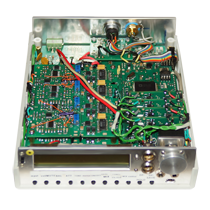
Мне удалось получить, почти на неделю, в домашнее пользование полный комплект звуковоспроизводящей аппаратуры от Михаила Кучеренко в составе :
1 - Lotoo Gold - как цифровой транспорт.
2 - Многофункциональный процессор/двух-канальный усилитель " Stereo Pravda DACCA" + аккумуляторный блок питанаия.
Вот полное описание функционала "DACCA":
http://stereopravda.com/ru/products/6/38/
В конце этого описания есть активная кнопка под названием
"Руковдство по Эксплуатации и Диаграмма", при нажатии
которой открывается Word'овский файл с дополнительным
описанием DACCA и несколькими диаграммами и графиками.
Кроме того, привожу некоторые цитаты из переписок с Михаилом Кучеренко :
" Создание этого ПОЛНОСТЬЮ ДИФФЕРЕНЦИАЛЬНОГО УСТРОЙСТВА с
ВСЕВОЗМОЖНЫМИ НАСТРОЙКАМИ ВНУТРИ КАЖДОЙ ИЗ ДВУХ РАЗДЕЛЬНЫХ
"АКТИВНЫХ" ПОЛОС есть прямое следствие моего многолетнего
опыта работы с АКТИВНЫМИ домашними системами.
Как я и предполагал такой подход - единственно возможный
для полной реализации потенциала динамиков и в случае
портативного аудио.
При использовании "пассивного" режима, возможности
реализации которого крайне ограничены необходимостью
портативного использования, не получается получить сразу и
звуковое разрешение, и полноценность тембра (как "по басу",
так и "по верху").
Только "активный" многополосный подход позволяет получить
и то, и другое.
Что и подтвердилось при использовании DACCA с нашими
ушными мониторами на БА-динамиков в двух-полосной
"активной" конфигурации."
Тут я с ним полностью согласен - сам использую в большой домашней системе биампинг(правда пока - пассивный)
3 - Наушники SB-7A
Про наушники SB-7 я уже писал . Я сознательно написал правду от данной прослушки ,хотя и понимал ,что с такой "рекламой" Роксаны(хотя наушники очень хорошие) - мне будет ее долго не продать.
Я без сожаления поменял свою 12-ти драйверную Роксану на SB-7 от Михаила ,а моя Роксана от Джери Харви - до сих пор в продаже. Более того - тех SB-7,которые я приобрел у Михаила ,у меня уже нет - после небольшой прослушки ,их буквально отобрал у меня мой ближайший друг и соратник по аудио. Мне было обещано сделать новые по приходу новой партии драйверов.
Но данный комплект - совершенно другая история! Я бы назвал это как БОЛЬШОЙ Hi-End (с его много килограммовыми источниками, усилителями и акустическими системами) в НЕ БОЛЬШОЙ НОСИМОЙ сумке(все помещается в наплечный" кошелек " размером 20х20х8 См) Лично я рассматривал эту связку ,как перевозную ,но после эксперимента с ношением и пользованием в пеших условиях ,могу сказать - ни какого дискомфорта я не испытал .Более того - очень понравилось ,что сам транспорт( Lotoo Gold) - выносной на гибком кабеле . Может не много и утрирую - звук ,получаемый от акустических систем ,он другой ,и сцена там другая - но по восприятию самого музыкального произведения ,данный комплект очень близок к дорогой Hi-End системе. Знаю о чем говорю - сам имею большую домашнюю систему.
Не смогу сейчас написать про множество настроек, изначально заложенных в Цапоусь Михаила - не успел испытать все возможности, хотя мня сразу устроили произведения в новом качестве. Конечно, у меня была задача все перекрутить и перепробовать - оставлял себе время и на это, и на реальные фотографии ,но судьба распорядилась иначе - не получилось семь дней - на четвертый день комплект был у меня изъят в угоду одного известного дистрибьютора портативной техники...как оказалось - я не один такой желающий.
По звуку комплекта:
Поймал себя на мысли - не знаю что сказать.. использовал.настройки ,выставленные им . Это как раз тот случай ,когда боишься что ни будь тронуть ,дабы не испортить уже имеющийся прекрасный звук - хочется просто переслушать любимые композиции.
Все вроде описал выше в одной фразе " БОЛЬШОЙ Hi-End в НЕ БОЛЬШОЙ сумке"..
Самое главное - абсолютно не типичное для нушников построение сцены.Если слушать хорошую концертную запись - мои ощущения:
1 - Нет звука в голове - вообще.
2 - Есть реальное видение правильного построения звуковой сцены -
а - музыканты впереди(с прекрасным разделением инструментов и голосов по планам)
б - ни кто из музыкантов не пилит со строны затылка - все в режиме пункта "a"
в - сзади - только зал, со всеми его поскрипываниями, звонками телефонов и т.д.
г - на хорошей записи - просто кристально чистый звуковой объем.
Конечно нет идеала - и басист может вдруг сместится в бок,и тарелка может зашуршать в некотором отдалении от ударной установки....
НО - нет аппаратуры без изъянов.
Данная система(не побоюсь этого слова - система) - это лучшее,что я слышал в портативе,при воспроизведении чистого Редбука(PCM 16-44.1)
Что касается динамики и тембров - все выше всяких похвал.
Остальное я написал в своем выше названном посте.
Хотел попросить Михаила дать мне в ближайшее время данный комплект еще на время - но оказалось,что раньше декабря - не получится. Два комплекта едут на выставку в Америку к 5-му октябры - остальные уже на прослушке.
Во многом согласен с Михаилом в его подходе к портативу - очень много людей, имеющих хорошую домашнюю систему с акустикой, желает и в дороге иметь хороший звук. Но не совсем согласен с его подходом к оформлению системы - "Вам "шашечки", или "ехать" ? "
Михаил! Я понимаю,что сейчас любой корпус стоит денег,но это как раз тот случай,когда к "ехать" очень хотелось бы еще " шашечки"! Но думаю - это легко поправимо.
Ссылка на выставку "портатива" CanJam, которая является
частью общей аудио выставки "Rocky Mountains Audio Fest" в
Денвере, штат Колорадо,
на которой будет выставлено данное оборудование здесь:
Список участников:
https://www.audiofest.net/attending/...ors/?keyword=S
Вот где то так. Я не претендую на роль эксперта,и все выше сказанное - мое личное мнение.
Помогите найти замену Denon AH-D2000
Порядка двух лет пользовался beyerdynamic DT 770 Pro (32 ОМ): не нравилось - ВЧ "выпиливали" мозг.
Источник - звуковая карта E-MU 0204, усилитель - Musical Fidelity V-CAN II.
Материал: слушаю в 90% русский рок, в основном не тяжелый: ДДТ, ЧИЖ, Пикник, АнимациЯ, Високосный год, Сплин, Агата Кристи, Король и Шут и т.д.
Из импортного: Scorpions, Metallica - баллады.
Остальные 10% - по 1-2 песни из самых разных стилей и направлений.
Сейчас слушаю Denon AH-D2000 (форумчане в курсе моей эпопеи с их покупкой / ремонтом): с учетом того сколько негативных ощущений мною было получено в процессе покупки / ремонта пропало желание их модифицировать. Да и если делать всё по уму цена модификации сопоставима с покупкой новых (до 15 т.р.). А устроит ли результат - большой вопрос.
Плюс абсолютно точно для себя определил, что в Denon AH-D2000 от самых низких НЧ начинает болеть/колоть сердце (без шуток). Какая-то личная непереносимость самого низкого инфразвука.
В остальном звук очень нравиться.
Остановился на следующих моделях (исходя из бюджета конечно):
1. AKG Q701 - 8 т.р. БУ в моём городе хорошее состояние.
2. AKG K-501 ("раритет") - 10 т.р. БУ в моём городе хорошее состояние.
3. Beyerdynamic DT 770 Pro (80 Ohm) - 14 т.р. новые в моём городе в магазине БЕЗ прослушивания.
4. Ultrasone Performance 860 - 17 т.р. новые в моём городе в магазине: слушал, понравились (особенно НЧ и отсутствием сибилянтов), но сцена очень узкая (может после прогрева станет шире).
5. Audio-Technica ATH-M50X - 12 т.р. новые в моём городе в магазине БЕЗ прослушивания.
Что посоветуете?
Просьба учитывать почти двукратную разницу в цене (для меня достаточно критично). Или предложите другие варианты.
Объявления
-
Темы
-
-
Изменения статусов
-

-
-
 Вчерась был опять на сходке, с другим коллегой познакомился.· 0 ответов
Послушал DX320 с каким то "ампом" с выходом только 4,4.
Из наушничков послушал: CA Vega, IMR Opus Mia, Dunu 2002.
Эти наушнички подобраны владельцем весьма точно, очень схожая подача, различия оченна небольшие. И, звук просто отличный.
Ничего не пилит, не колет, не красит, не налезает. Мне сразу зашло, хотя опасался и ожидал стандартный навал ВЧ как на прошлой сходке от "Snowy A8".
Если после "снови" я ощущал себя некоронованым прынцэм кустарных ием, то после вчерашней сходки моё восприятие координально поменялось, и я выяснил, что у меня нихрена ничего толком не звучит.
Слушать можно, при некоторой сноровке и закалке.
Пару сетапов имею - гибриды мои с "дигмой" , и арматуры мои со смартфоном "окуитель" - эти как то сыгрались, компенсируя кривизну своей костыльностью ))
-
Удалите Ваш комментарий, он неуместен.· 0 ответов
https://ru.wikipedia.org/wiki/Хлебородов,_Михаил_Львович
-
-
-
Статистика пользователей
-
Лучшие авторы
-
Статистика форума
-
Всего тем29 991
-
Всего сообщений1 169 285
-
-
Последние записи блога
-
-



-
Dr.Head - всё можно послушать
Наушники и Personal аудио
Более 15 лет мы занимаемся персональным аудио, и сегодня в наших магазинах представлен огромный выбор наушников на любой звук и кошелёк. И абсолютно все эти наушники можно послушать и протестировать перед покупкой!
Все товары категории
Акустика и Hi-Fi аудио
Мы не просто создали уютные и стильные комнаты, но ещё и правильно оформили их акустически, чтобы ваш опыт прослушивания был незабываемым. Вы можете протестировать любой понравившийся комплект аппаратуры и подобрать подходящие сочетания. Присаживайтесь поудобнее — вас ждёт увлекательное путешествие в мир высококлассного звука.
Все товары категории
Микрофоны и PRO аудио
В магазинах Dr.Head представлены любые решения для PRO: микрофоны (в том числе эксклюзивные), мониторные наушники, аудиоинтерфейсы, MIDI-клавиатуры и многое другое. Всё это можно протестировать перед покупкой! А во флагманском магазине в Москве мы построили собственную студию звукозаписи, где вы можете не только проверять оборудование, но и записывать треки любой сложности.
Все товары категории
Custom shop
Это уникальный проект по изготовлению индивидуальных наушников и берушей по слепку уха. Мы работаем практически со всей отечественной поп- и рок-сценой, нам доверяют артисты и блогеры со всей страны. В нашей лаборатории каждый может заказать индивидуальные наушники, насадки или беруши, а также сделать индивидуальный дизайн своей техники.
Все товары категории
Винил
В Dr.Head представлены не только популярные и всеми любимые пластинки, но и эксклюзивные и редкие релизы на виниле. У нас можно погрузиться в мир аналогового звука и получить крутейшие рекомендации по новинкам музыки или проверенным хитам от наших экспертов.
Все товары категорииДля вашего удобства мы открыли запись на прослушивание. Подключение аудио — достаточно длительный процесс. Мы ценим ваше время и, чтобы не тратить его на ожидание, предлагаем вам записаться на прослушивание заранее на этой странице.
-